MAXTEST

IKUTI BERITA TERKINI, KEKAL DI HADAPAN

Northeast Monsoon Season: Protect Your Family from Dengue
Clear Standing Water. Prevent Mosquito Bites. Recognise Symptoms Early.
Malaysia’s Northeast Monsoon typically lasts from November to March, bringing heavy rainfall and potential flooding. Even after floodwaters recede, stagnant water around homes and public spaces may become breeding grounds for Aedes mosquitoes, which transmit dengue.
Taking preventive action after flooding is essential to protecting your family.
1. Remove Standing Water After Flooding
Check your surroundings for places where water may collect, including:
Buckets, flower pots and water containers.
Discarded tyres and plastic items.
Blocked drains and gutters.
Areas around the home where water accumulates.
Empty stagnant water, clean drainage areas and keep water storage containers covered. Inspect your surroundings at least once a week.
2. Protect Yourself from Mosquito Bites
Reduce your risk of mosquito bites by following these simple measures:
Use mosquito repellent according to label instructions.
Wear long-sleeved clothing and long trousers.
Install mosquito screens on windows and doors.
Keep your surroundings clean and free from potential breeding sites.
Remember, Aedes mosquitoes can bite during the daytime, so protection is important throughout the day.
3. Recognise the Symptoms of Dengue
Dengue symptoms may resemble those of other illnesses. Common symptoms include:
Sudden high fever.
Headache and pain behind the eyes.
Muscle and joint pain.
Nausea, vomiting or skin rash.
Watch for warning signs such as severe abdominal pain, persistent vomiting, bleeding, extreme tiredness or difficulty breathing.
Seek emergency medical attention if warning signs occur.
4. When Should You Seek Medical Attention?
If you develop a fever or experience symptoms that may indicate dengue, consult a healthcare professional.
Do not delay medical attention if symptoms worsen.
5. Make Dengue Prevention a Community Effort
Dengue prevention starts with everyday actions. Check your surroundings, remove stagnant water and protect your family from mosquito bites.
For the latest information on dengue hotspots and prevention in Malaysia, visit the official iDengue portal.
Keep Your Surroundings Clean. Protect Your Family. Prevent Dengue Together.
References
Malaysian Meteorological Department (MetMalaysia) – Northeast Monsoon Information.
iDengue Malaysia – Dengue Hotspots and Prevention.
Ministry of Health Malaysia (MOH) – Dengue Health Information.
Know Dengue Malaysia – Symptoms and Warning Signs.
Disclaimer: This article is intended for general health education only and does not replace professional medical advice, diagnosis or treatment. Seek medical attention if you experience suspected dengue symptoms or warning signs.

One Small Step Can Change Everything: Understanding Drug-Related Risks
Some decisions may seem insignificant at first, yet they can lead to unexpected consequences. Curiosity, peer pressure, or misplaced trust in an unknown substance may expose people to risks they did not anticipate.
Understanding the risks is an important first step toward making informed and responsible decisions.
Everyday Situations Can Carry Hidden Risks
In everyday life, people may encounter pills, powders, or other substances whose contents are unknown. However, appearance, smell, packaging, or another person’s description cannot reliably determine what a substance contains or whether it is safe.
Some substances have legitimate medical uses when taken as directed by a healthcare professional. Others may carry risks of misuse, dependence, or harmful effects on physical and mental health. The potential risks depend on the substance, the amount taken, how it is used, and individual circumstances.
Being aware of these risks is not about judging people. It is about recognizing uncertainty, avoiding unknown substances, and seeking appropriate professional guidance when needed.
What Is Drug Screening, and Why Does It Matter?
Drug screening is a testing process used to detect specific drugs or their metabolites in biological specimens, such as urine, depending on the test method.
Screening may be used in appropriate healthcare, laboratory, workplace, or other authorized settings, subject to applicable laws and procedures. Its purpose is to provide information about the specific substances included in the test, rather than to answer every question about a person’s health or history.
It is also important to understand that a screening result is not always a final conclusion.
A negative result does not necessarily rule out previous use or the presence of substances that the test does not detect. A presumptive positive result may require confirmatory testing using a more specific analytical method. Results can be influenced by factors such as the substances being tested, specimen type, detection window, testing method, and cutoff levels.
For these reasons, proper testing procedures and professional interpretation are essential.
Understanding Results Without Making Assumptions
Drug screening results should be interpreted carefully and in context. A test result alone should not be used to make unsupported assumptions about someone’s behavior, health, or personal circumstances.
When a result is unexpected or unclear, appropriate follow-up may include reviewing the testing procedure, consulting qualified professionals, and arranging confirmatory testing when indicated.
Respect for privacy, confidentiality, and applicable regulations is also an important part of responsible screening.
Awareness Is the First Step
Drug-related risks are complex, and no single approach can address every situation. Reliable information, responsible decision-making, and access to appropriate professional support can help people better understand potential risks.
A small decision—such as pausing before accepting an unknown substance or seeking reliable advice when uncertain—can make a meaningful difference.
Choose awareness. Question the unknown. Make informed decisions.

Negative Pregnancy Test, but Your Period Is Still Late? What Can an hCG Test Tell You?
Your period is several days late, but your pregnancy test is negative. Does this mean you are not pregnant? Or could you have tested too early?
A late period does not always mean pregnancy. Stress, lack of sleep, weight changes, and hormonal fluctuations can all affect the menstrual cycle. If pregnancy is possible, however, a single negative test may not be enough to rule it out.
What Is hCG, and Why Does It Matter?
Human chorionic gonadotropin (hCG) is a hormone produced by pregnancy-related tissue after implantation. Its levels generally rise during early pregnancy, making it an important marker for early pregnancy testing.
hCG rapid test kits detect the hormone in urine to help determine whether pregnancy may be present. Because they are designed to provide results quickly and are relatively easy to use, these tests can be useful in both home and clinical testing settings, depending on the product’s intended use.
Does a Negative Result Always Mean You Are Not Pregnant?
Not necessarily. If you test too early, the hCG level in your urine may still be below the test’s detection limit, leading to a negative result. Drinking large amounts of fluid before testing, which can dilute urine, or failing to follow the test instructions may also affect the result.
If your period still has not arrived and pregnancy remains possible, consider repeating the test with a new kit after an appropriate interval, following the product instructions. If your period continues to be delayed or repeated tests remain negative, consult a healthcare professional. A blood hCG test or further evaluation may be recommended to help identify the cause.
More Than Just Line on a Test
When used correctly, hCG rapid tests can help identify the possibility of pregnancy and inform decisions about the next steps in health management. However, results should be interpreted in the context of testing time, symptoms, and other clinical information. A rapid test result alone cannot confirm or rule out every pregnancy-related condition.
Seek urgent medical attention if you experience severe abdominal pain, unusual vaginal bleeding, dizziness, or fainting—even if your pregnancy test is negative.
When your period is late, understanding how hCG testing works, how to use a test correctly, and what its limitations are can help you make more informed decisions about your health.
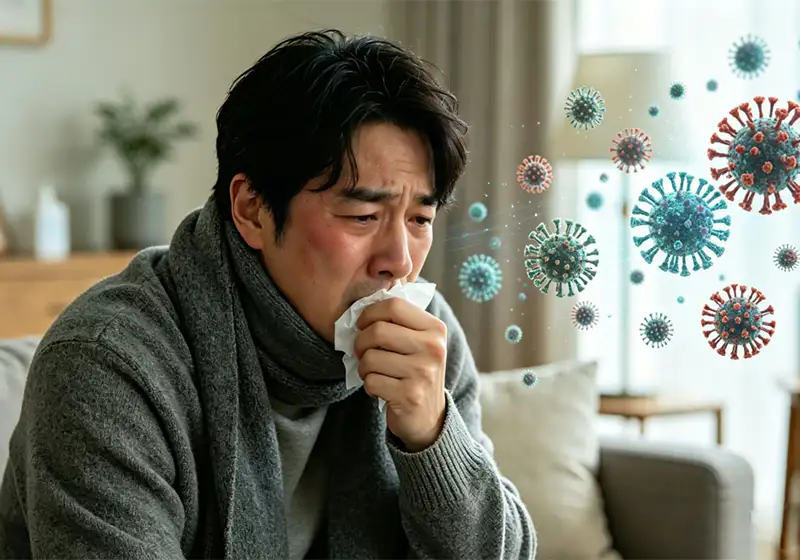
COVID Masih Berada Di Sekeliling dan Berisiko Kepada Individu Terdedah. Apakah Gejala pada Tahun 2026?
Kebanyakan orang yang dijangkiti COVID pada hari ini hanya akan mengalami gejala ringan. Walau bagaimanapun, sesetengah individu masih berisiko untuk mendapat penyakit teruk dan lebih cenderung untuk dimasukkan ke hospital. Ini termasuk warga emas, individu yang mempunyai sistem imun yang lemah akibat keadaan seperti kanser, dan mereka yang mempunyai masalah kesihatan asas seperti diabetes.
APAKAH GEJALA COVID YANG PALING BIASA?
Gejala awal COVID yang tipikal termasuk demam, batuk, sakit tekak, hidung berair, dan sesak nafas. Gejala-gejala ini kekal sebagai gejala yang paling biasa merentasi pelbagai gelombang varian.
Pada awal pandemik, didapati bahawa COVID boleh menyebabkan gejala unik yang dipanggil anosmia – iaitu kehilangan atau perubahan deria rasa atau bau. Anosmia biasanya berlangsung kira-kira seminggu, walaupun dalam beberapa kes ia mungkin berlarutan lebih lama. Ia lebih kerap dilaporkan dengan jangkitan yang disebabkan oleh strain asal, serta varian Gamma dan Delta, tetapi kurang dikaitkan dengan varian Omicron yang muncul pada tahun 2021.
Walau bagaimanapun, kehilangan deria bau masih dikaitkan dengan beberapa varian baharu. Satu kajian baru-baru ini dari Perancis mendapati bahawa anosmia lebih kerap dilaporkan pada individu yang dijangkiti varian JN.1.
Para penyelidik walau bagaimanapun tidak memerhatikan sebarang perbezaan ketara dalam gejala COVID yang lain antara varian lama dan baharu.
PERLUKAH ANDA MEMBELI KIT UJIAN PANTAS?
Ya, ujian adalah amat penting terutamanya jika anda mempunyai gejala yang serupa dengan COVID atau baru-baru ini terdedah kepada seseorang yang dijangkiti virus tersebut, terutamanya jika anda berisiko tinggi untuk mendapat penyakit teruk. Jika anda berada dalam kumpulan berisiko tinggi, pertimbangkan untuk membeli MAXTEST 4in1 COVID-19/RSV/FLU A&B yang boleh membantu anda menyaring status kesihatan anda di mana-mana sahaja, pada bila-bila masa.
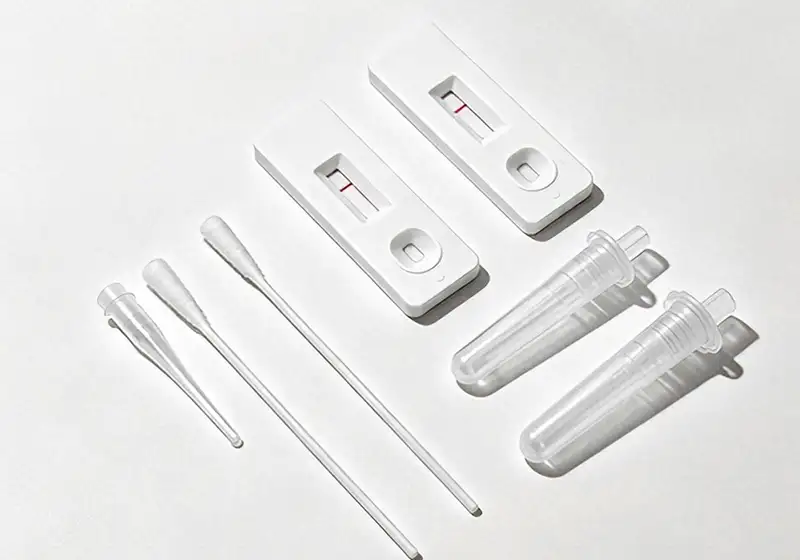
Penggunaan Ujian Kendiri Rumah yang Betul *Mengambil Contoh Ujian Pantas Antigen COVID-19*
Sejak pandemik COVID-19, ujian pantas antigen kendiri (RAT) telah menjadi kelaziman di banyak rumah tangga. Walau bagaimanapun, penggunaan yang salah boleh membawa kepada keputusan yang tidak tepat. Siri dokumen panduan profesional dan amaran pengguna dengan jelas menyatakan bahawa mematuhi arahan penggunaan secara ketat adalah penting untuk mendapatkan keputusan yang boleh dipercayai.
Pertama, pengambilan sampel mempunyai keperluan khusus. Apabila menggunakan spesimen air liur untuk ujian, anda mesti mengelak daripada makan, minum, merokok, memberus gigi atau mengunyah gula getah dalam tempoh 10 hingga 30 minit sebelum pengambilan – tempoh sebenar bergantung pada arahan kit ujian. Kedua, setiap langkah pengambilan spesimen dan prosedur ujian mesti dilakukan tepat seperti yang diterangkan dalam arahan. Sebarang kecuaian boleh menjejaskan ketepatan keputusan.
Pengguna juga dinasihatkan supaya hanya membeli kit ujian dalam bungkusan asal yang masih utuh. Jika bungkusan telah dibuka, rosak, atau terdedah kepada cahaya kuat dan suhu tinggi, reagen mungkin merosot dan menyebabkan keputusan ujian tidak tepat. Selain itu, bagi setiap ujian kendiri COVID-19 yang diluluskan untuk dibekalkan, pihak yang bertanggungjawab mesti menyediakan perkhidmatan sokongan pelanggan dalam talian. Perkhidmatan ini mesti tersedia pada hari bekerja untuk memberi bantuan individu mengenai penggunaan yang betul dan interpretasi keputusan, dan kakitangan perkhidmatan pelanggan mesti dilatih mengenai maklumat penggunaan dan keselamatan produk.
Sekiranya anda menghadapi kesukaran dalam menjalankan ujian atau mempunyai keraguan tentang keputusan, anda boleh merujuk platform rasmi untuk senarai produk yang diluluskan serta arahan yang disertakan, dan mendapatkan panduan daripada perkhidmatan kesihatan berkaitan apabila perlu.
Apakah Peranti Perubatan Diagnostik In Vitro (IVD)? Dari Definisi kepada Pengelasan Risiko
Peranti perubatan diagnostik in vitro (IVD) ialah reagen, bahan penentukur, bahan kawalan, kit, bekas spesimen, perisian, instrumen atau sistem yang bertujuan untuk digunakan secara in vitro bagi pemeriksaan spesimen manusia, sama ada digunakan secara bersendirian atau gabungan. Tujuannya adalah untuk memberikan maklumat mengenai keadaan fisiologi atau patologi, keabnormalan kongenital, pemantauan rawatan, dan sebagainya. Dalam istilah harian, IVD merangkumi daripada penganalisis kimia di makmal patologi hinggalah ke jalur ujian glukosa darah yang digunakan di rumah.
Untuk memastikan keselamatan dan prestasi, IVD tertakluk kepada pengelasan berdasarkan risiko. Ia dikelompokkan kepada empat kelas:
Kelas 1 (tiada risiko kesihatan awam atau risiko peribadi rendah)
Kelas 2 (risiko kesihatan awam rendah atau risiko peribadi sederhana)
Kelas 3 (risiko kesihatan awam sederhana atau risiko peribadi tinggi)
Kelas 4 (risiko kesihatan awam tinggi)
Semakin tinggi kelas, semakin ketat keperluan penilaian pematuhan dan kawalan selepas pemasaran. Sebagai contoh, bekas spesimen kosong termasuk dalam Kelas 1, manakala kit ujian kendiri untuk saringan penyakit berjangkit melalui darah adalah Kelas 4, yang memerlukan bukti klinikal paling ketat.
Pengilang bertanggungjawab menentukan klasifikasi yang betul berdasarkan tujuan penggunaan peranti dan risiko yang mungkin timbul daripada keputusan yang salah. Jika sesuatu produk diliputi oleh lebih daripada satu peraturan klasifikasi, produk tersebut mesti diuruskan mengikut kelas risiko tertinggi. Apabila memilih produk IVD, pengguna hendaklah mencari nombor pendaftaran rasmi pada label – ini adalah pengecam asas bahawa produk boleh dibekalkan secara sah.
KEMUDAHAN KAMI
BAWA SENAMAN ANDA KE PERINGKAT
BAWA SENAMAN ANDA KE PERINGKAT
SETERUSNYA.
Sila isi borang di bawah dan kami akan menghubungi anda secepat mungkin.