
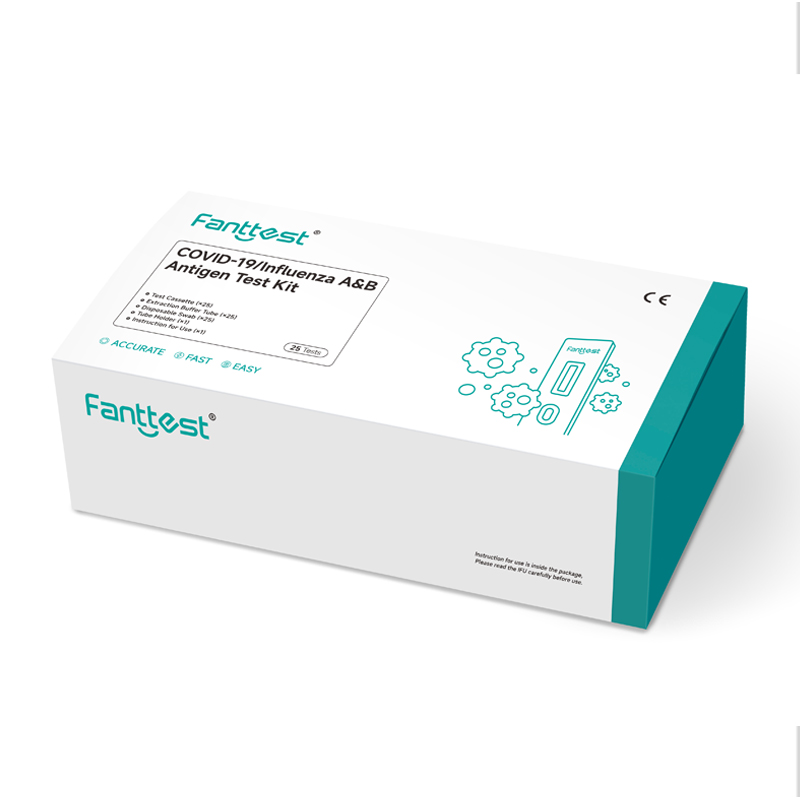
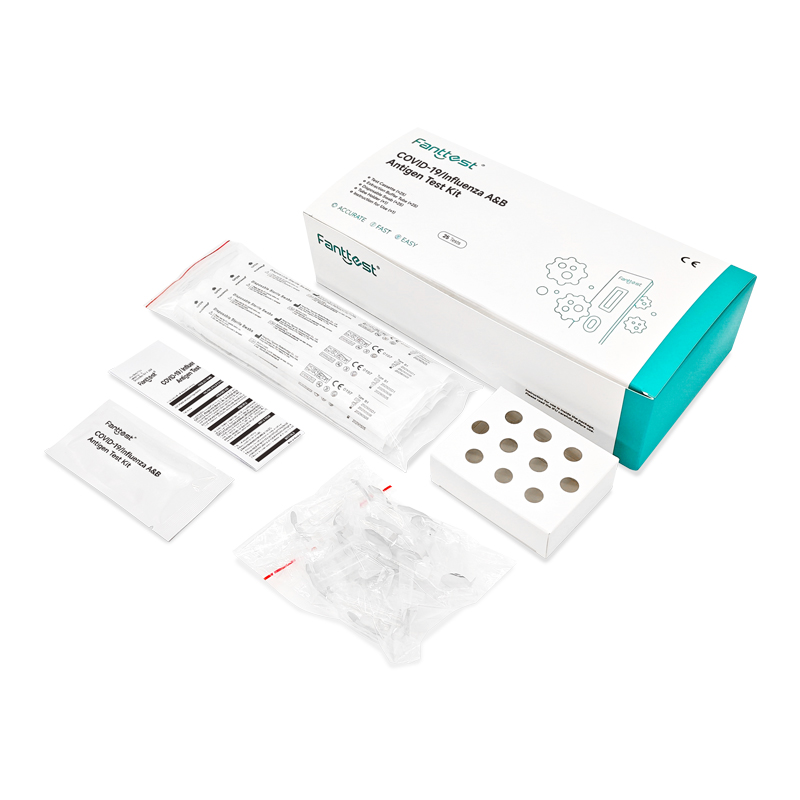
Kit Ujian Antigen COVID-19Influenza A&B
· Operasi mudah, mudah ditafsirkan,pensampelan dan pengujian boleh dilakukan pada bila-bila masa.
· Pengesanan adalah pantas, hasilnya boleh ditafsirkan dalam masa 15 minit.
· Kepekaan dan kekhususan yang tinggi.
Butiran Produk Penerangan
PENGGUNAAN YANG DITUJUKAN
Kit Ujian Antigen COVID-19/Influenza A&B merupakan ujian imunokromatografi lateral (lateral flow immunoassay) untuk pengesanan kualitatif antigen nukleoprotein virus SARS-CoV-2, influenza A dan influenza B dalam sapuan hidung/nasofaring. Gejala jangkitan virus pernafasan akibat SARS-CoV-2 dan influenza boleh serupa. Ujian ini bertujuan sebagai bantuan dalam diagnosis individu bergejala yang memenuhi definisi kes COVID-19 dalam tempoh 7 hari pertama sejak timbulnya gejala dan memenuhi definisi kes Influenza A&B dalam tempoh 4 hari pertama sejak timbulnya gejala. Kit ini direka untuk digunakan pada individu bergejala di titik penjagaan oleh profesional kesihatan yang terlatih.
LANGKAH-LANGKAH OPERASI

TAFSIRAN HASIL
| COVID-19 | Influenza A+B |
|---|---|
 |
 |
SARS-COV-2
Positif (+): Dua jalur ungu-merah muncul. Satu terletak di kawasan pengesanan (T), dan satu lagi terletak di kawasan kawalan kualiti (C).
Negatif (-): Hanya jalur ungu-merah muncul di kawasan kawalan kualiti (C). Tiada jalur ungu-merah di kawasan pengesanan (T).
Tidak sah: Garisan kawalan (C) tidak muncul.
INFLUENZA A+B
Influenza A positif (+): Jalur merah muncul di kawasan garis kawalan (C), dan jalur merah lain muncul di kawasan A (A), yang positif untuk influenza A.
Influenza B positif (+): Jalur merah muncul di kawasan garis kawalan (C) dan jalur merah lain muncul di kawasan B (B), yang positif untuk influenza B.
Influenza A+B positif (+): Jalur merah muncul di kawasan kawalan (C), dan dua jalur merah muncul di kawasan A (A) dan kawasan B (B) pada masa yang sama.
Negatif (-): Hanya jalur ungu-merah muncul di kawasan garis kawalan (C). Tiada jalur ungu-merah di kawasan pengesanan (A, B).
Tidak sah: Garisan kawalan (C) tidak muncul.
MAKLUMAT PRODUK
| Nama produk | Spesimen | Format | Pek/kotak | Jangka hayat | Suhu penyimpanan | Sijil |
|---|---|---|---|---|---|---|
| Kit Ujian Antigen COVID-19/Influenza A&B | Swab Nasofarinks/Swab Hidung | Kaset | 25T | 24 bulan | 2-30℃ |  |
Produk
COVID‑19/hMPV/RSV/ADV/Flu A&B/hPIV1+3/hPIV2/MP/RhV
▪Using the principle of double antibody sandwich method. ▪Simple operation, easy to interpret, sampling and testing can be done anytime. ▪The detection is fast, the result can be interpreted in 15 minutes. ▪High sensitivity and specificity.
Kit Ujian Pantas Antigen Gabungan SARS-CoV-2 RSV Adenovirus M.pneumoniae Influenza A+B
· Menggunakan prinsip kaedah sandwic antibodi berganda. · Operasi mudah, mudah ditafsirkan,pensampelan dan pengujian boleh dilakukan pada bila-bila masa. · Pengesanan adalah pantas, hasilnya boleh ditafsirkan dalam masa 15 minit. · Kepekaan dan kekhususan yang tinggi.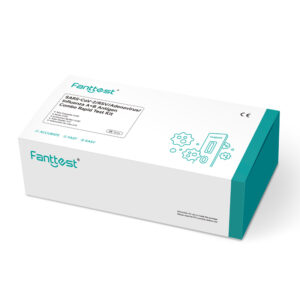
Kit Ujian Pantas Antigen Gabungan SARS-CoV-2 RSV Adenovirus Influenza A+B
· Menggunakan prinsip kaedah sandwic antibodi berganda. · Operasi mudah, mudah ditafsirkan,pensampelan dan pengujian boleh dilakukan pada bila-bila masa. · Pengesanan adalah pantas, hasilnya boleh ditafsirkan dalam masa 15 minit. · Kepekaan dan kekhususan yang tinggi.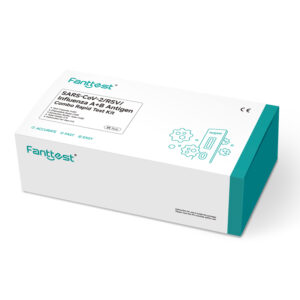
KIT UJIAN PANTAS KOMBOANTIGEN SARS-COV-2/RSV/INFLUENZA A+B
· Menggunakan prinsip kaedah sandwic antibodi berganda. · Operasi mudah, mudah ditafsirkan,pensampelan dan pengujian boleh dilakukan pada bila-bila masa. · Pengesanan adalah pantas, hasilnya boleh ditafsirkan dalam masa 15 minit. · Kepekaan dan kekhususan yang tinggi.Blog

Northeast Monsoon Season: Protect Your Family from Dengue
Clear Standing Water. Prevent Mosquito Bites. Recognise Symptoms Early. Malaysia’s Northeast Monsoon typically lasts from November to March, bringing heavy rainfall and potential flooding. Even after floodwaters recede, stagnant water around homes and public spaces may become breeding grounds for Aedes mosquitoes, which transmit dengue. Taking preventive action after flooding is essential to protecting your family. 1. Remove Standing Water After Flooding Check your surroundings for places where water may collect, including: Buckets, flower pots and water containers. Discarded tyres and plastic items. Blocked drains and gutters. Areas around the home where water accumulates. Empty stagnant water, clean drainage areas and keep water storage containers covered. Inspect your surroundings at least once a week. 2. Protect Yourself from Mosquito Bites Reduce your risk of mosquito bites by following these simple measures: Use mosquito repellent according to label instructions. Wear long-sleeved clothing and long trousers. Install mosquito screens on windows and doors. Keep your surroundings clean and free from potential breeding sites. Remember, Aedes mosquitoes can bite during the daytime, so protection is important throughout the day. 3. Recognise the Symptoms of Dengue Dengue symptoms may resemble those of other illnesses. Common symptoms include: Sudden high fever. Headache and pain behind the eyes. Muscle and joint pain. Nausea, vomiting or skin rash. Watch for warning signs such as severe abdominal pain, persistent vomiting, bleeding, extreme tiredness or difficulty breathing. Seek emergency medical attention if warning signs occur. 4. When Should You Seek Medical Attention? If you develop a fever or experience symptoms that may indicate dengue, consult a healthcare professional. Do not delay medical attention if symptoms worsen. 5. Make Dengue Prevention a Community Effort Dengue prevention starts with everyday actions. Check your surroundings, remove stagnant water and protect your family from mosquito bites. For the latest information on dengue hotspots and prevention in Malaysia, visit the official iDengue portal. Keep Your Surroundings Clean. Protect Your Family. Prevent Dengue Together. References Malaysian Meteorological Department (MetMalaysia) – Northeast Monsoon Information. iDengue Malaysia – Dengue Hotspots and Prevention. Ministry of Health Malaysia (MOH) – Dengue Health Information. Know Dengue Malaysia – Symptoms and Warning Signs. Disclaimer: This article is intended for general health education only and does not replace professional medical advice, diagnosis or treatment. Seek medical attention if you experience suspected dengue symptoms or warning signs.

A Fever Is Not a Diagnosis: Why One Symptom Can Have More Than One Cause
Almost everyone has had the experience: you feel hot, your throat is sore, your body aches, and you tell the people around you that you have “caught a cold” or “the flu”. But a fever is not a diagnosis. It is a symptom — a sign that the body is responding to something — and on its own it says very little about what that something is. What a fever actually is Body temperature is kept around a fairly stable set point. During an infection, signals released by immune cells can push that set point upward, and the result is a fever. The raised temperature is part of the body’s response, not the invader itself. Chills, sweating, aches and tiredness often come with it. Because the underlying mechanism is broadly the same whatever the trigger, a fever caused by one illness can feel much like a fever caused by another. Why different viruses look alike Many respiratory viruses begin in much the same way. Influenza, SARS-CoV-2, respiratory syncytial virus (RSV), adenovirus and enteroviruses can each produce some combination of fever, sore throat, cough, runny nose, muscle aches and fatigue. Early on, these patterns are often indistinguishable. A different route of exposure does not necessarily produce a distinctive set of symptoms either. The World Health Organization notes that influenza and COVID-19 have similar symptoms — cough, runny nose, sore throat, fever, headache and fatigue — and that people may experience anything from no symptoms to severe illness. Two ways to read “more than one virus” The first is uncertainty: the same fever can point to several different causes. That is why a list of symptoms is a starting point, not an answer. The second is co-infection — occasionally, more than one virus is present at the same time. A systematic review pooling international studies found respiratory viral co-infection in about 5% of hospitalised COVID-19 patients (95% CI 3.34%–7.27%). Influenza and enteroviruses were among the most frequently detected co-infecting viruses, and rates were higher in children than in adults. These figures come from hospital settings and specific study years; they are not a statement about how common co-infection is in the wider community. The conclusion is therefore a narrow one: “one illness, one virus” is a useful simplification, but not a rule. Why symptoms alone cannot settle it Because the early pictures overlap, it is generally not possible to work out which virus is involved from how a person feels. WHO’s guidance is straightforward: because symptoms are similar, testing may be needed where knowing the cause would change how the illness is managed. It is a laboratory result, not the symptom pattern, that distinguishes one virus from another. This is also why an initial view can change over the first few days. In closing None of this makes a fever less unpleasant. It does change how one thinks about it. A fever is a question the body asks, not an answer it gives. Recognising that a single symptom can have several explanations — and that occasionally more than one virus is involved — is the basis of taking an illness seriously without jumping to conclusions. Anyone who is unwell, and especially someone whose symptoms are worsening, should speak to a health professional. Sources WHO Western Pacific, “Influenza and COVID-19: Five tips for a safer winter” (accessed 19 Nov 2026) — https://www.who.int/republicofkorea/news/feature-stories/detail/influenza-and-covid-19–five-tips-for-a-safer-winter WHO, “Science in 5 — Episode #6: Flu & COVID-19” (accessed 19 Nov 2026) — https://www.who.int/emergencies/diseases/novel-coronavirus-2019/media-resources/science-in-5/episode-6 “Respiratory viral co-infections in patients with COVID-19 and associated outcomes: A systematic review and meta-analysis”, Reviews in Medical Virology, 2022 (studies 1 Nov 2019 – 13 Aug 2021) — https://europepmc.org/article/PMC/PMC9347814 For general information only; not medical advice and not a substitute for assessment by a qualified health professional.

One Small Step Can Change Everything: Understanding Drug-Related Risks
Some decisions may seem insignificant at first, yet they can lead to unexpected consequences. Curiosity, peer pressure, or misplaced trust in an unknown substance may expose people to risks they did not anticipate. Understanding the risks is an important first step toward making informed and responsible decisions. Everyday Situations Can Carry Hidden Risks In everyday life, people may encounter pills, powders, or other substances whose contents are unknown. However, appearance, smell, packaging, or another person’s description cannot reliably determine what a substance contains or whether it is safe. Some substances have legitimate medical uses when taken as directed by a healthcare professional. Others may carry risks of misuse, dependence, or harmful effects on physical and mental health. The potential risks depend on the substance, the amount taken, how it is used, and individual circumstances. Being aware of these risks is not about judging people. It is about recognizing uncertainty, avoiding unknown substances, and seeking appropriate professional guidance when needed. What Is Drug Screening, and Why Does It Matter? Drug screening is a testing process used to detect specific drugs or their metabolites in biological specimens, such as urine, depending on the test method. Screening may be used in appropriate healthcare, laboratory, workplace, or other authorized settings, subject to applicable laws and procedures. Its purpose is to provide information about the specific substances included in the test, rather than to answer every question about a person’s health or history. It is also important to understand that a screening result is not always a final conclusion. A negative result does not necessarily rule out previous use or the presence of substances that the test does not detect. A presumptive positive result may require confirmatory testing using a more specific analytical method. Results can be influenced by factors such as the substances being tested, specimen type, detection window, testing method, and cutoff levels. For these reasons, proper testing procedures and professional interpretation are essential. Understanding Results Without Making Assumptions Drug screening results should be interpreted carefully and in context. A test result alone should not be used to make unsupported assumptions about someone’s behavior, health, or personal circumstances. When a result is unexpected or unclear, appropriate follow-up may include reviewing the testing procedure, consulting qualified professionals, and arranging confirmatory testing when indicated. Respect for privacy, confidentiality, and applicable regulations is also an important part of responsible screening. Awareness Is the First Step Drug-related risks are complex, and no single approach can address every situation. Reliable information, responsible decision-making, and access to appropriate professional support can help people better understand potential risks. A small decision—such as pausing before accepting an unknown substance or seeking reliable advice when uncertain—can make a meaningful difference. Choose awareness. Question the unknown. Make informed decisions.

Negative Pregnancy Test, but Your Period Is Still Late? What Can an hCG Test Tell You?
Your period is several days late, but your pregnancy test is negative. Does this mean you are not pregnant? Or could you have tested too early? A late period does not always mean pregnancy. Stress, lack of sleep, weight changes, and hormonal fluctuations can all affect the menstrual cycle. If pregnancy is possible, however, a single negative test may not be enough to rule it out. What Is hCG, and Why Does It Matter? Human chorionic gonadotropin (hCG) is a hormone produced by pregnancy-related tissue after implantation. Its levels generally rise during early pregnancy, making it an important marker for early pregnancy testing. hCG rapid test kits detect the hormone in urine to help determine whether pregnancy may be present. Because they are designed to provide results quickly and are relatively easy to use, these tests can be useful in both home and clinical testing settings, depending on the product’s intended use. Does a Negative Result Always Mean You Are Not Pregnant? Not necessarily. If you test too early, the hCG level in your urine may still be below the test’s detection limit, leading to a negative result. Drinking large amounts of fluid before testing, which can dilute urine, or failing to follow the test instructions may also affect the result. If your period still has not arrived and pregnancy remains possible, consider repeating the test with a new kit after an appropriate interval, following the product instructions. If your period continues to be delayed or repeated tests remain negative, consult a healthcare professional. A blood hCG test or further evaluation may be recommended to help identify the cause. More Than Just Line on a Test When used correctly, hCG rapid tests can help identify the possibility of pregnancy and inform decisions about the next steps in health management. However, results should be interpreted in the context of testing time, symptoms, and other clinical information. A rapid test result alone cannot confirm or rule out every pregnancy-related condition. Seek urgent medical attention if you experience severe abdominal pain, unusual vaginal bleeding, dizziness, or fainting—even if your pregnancy test is negative. When your period is late, understanding how hCG testing works, how to use a test correctly, and what its limitations are can help you make more informed decisions about your health.
Perkhidmatan

Reagen IVD
Menjalankan operasi penuh rantaian untuk reagen IVD berkualiti di pasaran Malaysia. Meliputi hospital, farmasi, kedai runcit dan pengedar – disokong oleh data dan latihan sepanjang proses, membantu produk cepat diterima dan digunakan dengan cekap.
Peraturan
Menguasai prosedur kemasukan pasaran Malaysia secara profesional, menyediakan perkhidmatan pendaftaran dan rundingan pematuhan dari awal hingga akhir. Memastikan produk memasuki pasaran secara sah dan cepat, serta beroperasi secara stabil dalam jangka panjang.
Perdagangan Global
Mengintegrasikan rantaian bekalan berkualiti dari China dan Malaysia, menyediakan perolehan rentas sempadan yang cekap serta pengurusan logistik. Beroperasi mengikut peraturan dengan ketat, memastikan produk dibekalkan dengan selamat dan tepat pada masanya.
Logistik & Gudang
Menyediakan pergudangan pintar, kawalan suhu, dan penghantaran yang efisien – menguasai proses pelepasan kastam import. Memendekkan masa ke pasaran, merealisasikan keterlihatan rantaian bekalan merentas semua saluran dan sokongan selepas jualan.
Kami gembira mendengar daripada anda. Hubungi kami sekarang!
Sila isi borang di bawah dan kami akan menghubungi anda secepat mungkin.